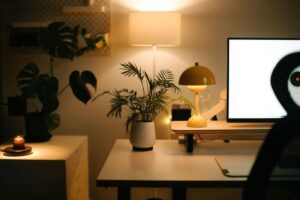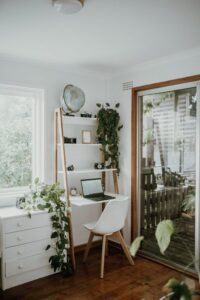
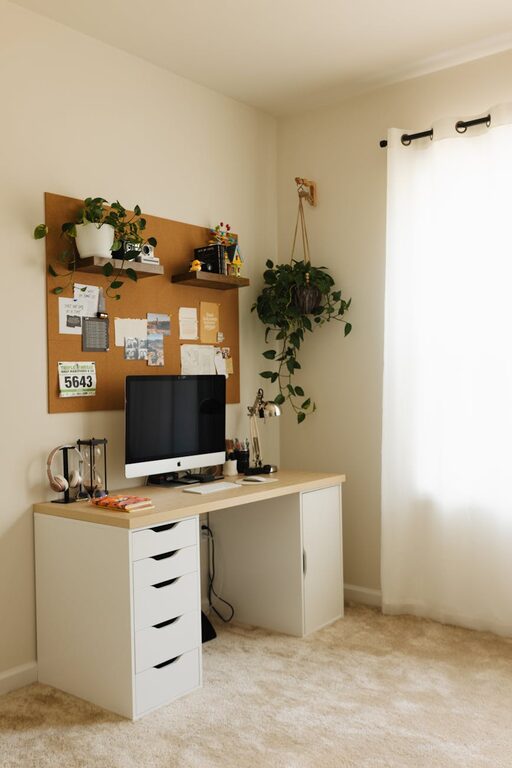
Creating a home office that feels both cozy and productive can greatly improve your work-from-home experience. A well-designed workspace not only helps you focus and get more done but also makes your day more enjoyable. In this post, we’ll guide you through practical tips to design a home office that balances comfort with effectiveness.
Why a Cozy and Productive Home Office Matters
Spending hours in a cramped or uninspiring space can drain your energy and reduce motivation. A cozy environment promotes well-being, while a productive setup ensures you stay efficient. Combining these two creates the perfect setting to thrive professionally from home.
Choose the Right Location
Find a Quiet Spot
Select a quiet area in your home where you won’t be easily disturbed. Avoid high-traffic zones to minimize distractions.
Consider Natural Light
Position your desk near a window if possible. Natural light helps reduce eye strain and improves mood, making work feel less tiring.
Invest in Ergonomic Furniture
Supportive Chair
A comfortable chair with good lumbar support is essential to avoid back pain. Adjustable features help tailor the chair to your posture.
Functional Desk
Select a desk that fits your space and work style. Whether it’s a standing desk or a classic table, make sure it has enough surface area for your essentials.
Organize Your Workspace Efficiently
Declutter Regularly
Keep your desk tidy by removing unnecessary items daily. A clear workspace can help clear your mind.
Use Storage Solutions
Use shelves, drawers, or boxes to organize supplies and paperwork. Labeling storage containers speeds up finding things when needed.
Cable Management
Avoid tangled cables by using clips, ties, or cable organizers. This keeps your desk neat and prevents accidents.
Personalize with Cozy Elements
Soft Textiles
Add warmth with rugs, cushions, or blankets. Soft textures make the space inviting and comfortable.
Plants
Incorporate greenery for a fresh atmosphere. Plants can reduce stress and improve air quality.
Lighting
Use warm light sources like desk lamps or floor lamps. Adjustable lighting helps set the mood and reduces eye strain.
Minimize Distractions
Sound Control
Consider noise-cancelling headphones or white noise machines if you can’t control external sounds.
Dedicated Work Hours
Establish clear working hours and communicate them with others at home to minimize interruptions.
Boost Productivity with Smart Tools
Digital Organization
Use apps for task management, calendar scheduling, and note-taking. This streamlines your workflow.
Dual Monitors
If your work involves multiple applications, a second screen can increase efficiency by reducing switching between windows.
Timer Techniques
Try methods like Pomodoro to maintain focus with timed work and breaks.
Maintain Good Work-Life Balance
Separate Workspace
Even in a small room, try to visually distinguish your office space from relaxation areas.
End-of-Day Routine
Create a ritual to “close” your workspace, like turning off your computer or tidying your desk. This helps switch from work mode to personal time.
Final Thoughts
Designing a cozy and productive home office is about finding the right balance between comfort and efficiency. By choosing the ideal location, investing in ergonomic furniture, organizing your workspace, and adding personal touches, your home office can become a space where you look forward to working every day. Remember, small changes can make a big difference in your daily comfort and productivity. Happy decorating!